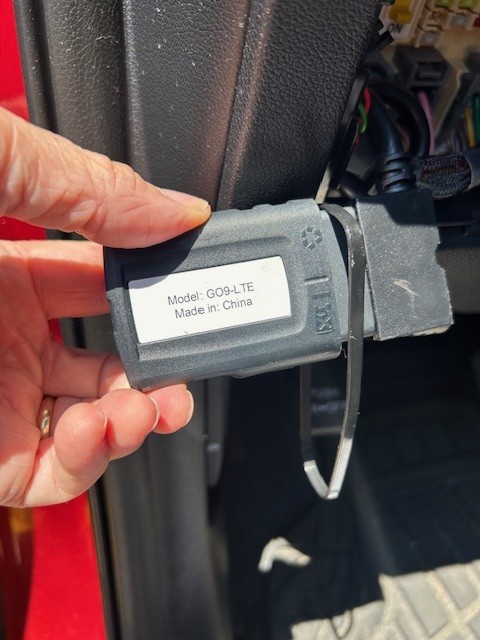
If you suspect someone is tracking your vehicle, you can act today. To detect a hidden GPS tracker in Chicago, start by scanning with a Bluetooth (BLE) scanner app or RF detector. Next, physically inspect high-risk zones, including the OBD-II port under the steering wheel, under-dash wiring, and the exterior undercarriage. If DIY methods fail, hire a licensed Chicago TSCM professional.
This guide walks you through every step we use in the field. We explain the electronic tools, the physical search points, and when to call a licensed Chicago TSCM professional near you. Whether you are worried about a stalker, a former partner, or corporate espionage, the goal stays the same: confirm whether your car is bugged and remove the device safely.
Here is what you will learn:
- How to run an electronic sweep with apps and detectors
- Where trackers hide in and on your vehicle
- When to hire a TSCM bug sweep professional in Chicago
- Exactly what to do the moment you find a device
Why Vehicle GPS Tracker Detection Matters in Chicago
Hidden trackers are cheaper and smaller than ever. A magnetic GPS unit costs less than dinner for two, sticks to your undercarriage in seconds, and runs for weeks on a single charge. That is why vehicle GPS tracker detection in Chicago has become a regular request for us.
We see three common situations:
- A person fears a stalker, ex-partner, or someone with access to their keys
- A business owner suspects a competitor is tracking fleet movements
- A driver notices someone always seems to know their location
If any of these sound familiar, you are right to check. A quick sweep settles the question and protects your privacy and safety.
Worried right now? Chicago Bug Sweepers offers same-week vehicle GPS tracking bug sweeps near you. Reach out for a confidential consultation.
1. Electronic Detection: DIY Sweeps You Can Run Today
Before you get on your hands and knees, use technology to scan for hidden wireless signals. Many modern trackers broadcast Bluetooth or radio-frequency signals that the right tools can detect.
We recommend three electronic methods, in this order.
Bluetooth (BLE) Scanner Apps
Many consumer trackers use Bluetooth Low Energy to report their location. You can find these with a free app on your phone.
- Download LightBlue or AirGuard to detect nearby BLE devices
- Watch for unknown signals like Apple AirTags or Tile trackers slipped into your car or bags
- Walk a slow loop around the vehicle and note any device that follows you
This step takes ten minutes and catches the most common consumer trackers. If a strange signal persists from your home to your car, treat it as a red flag.
RF (Radio Frequency) Detectors
Some trackers transmit on radio frequencies instead of Bluetooth. A portable RF bug detector, available on Amazon or at electronics stores, finds these.
- Turn off your car’s engine completely
- Power down your smartphone to avoid false readings
- Sweep the full perimeter of the vehicle slowly, inside and out
- Mark any spot where the detector spikes
We use professional-grade spectrum analyzers for this, but a quality handheld detector gives a solid first pass for a DIY sweep near you.
Magnetic Sweeps
Most commercial trackers use strong magnets to stick directly to the undercarriage. A handheld magnetic bug finder picks up that magnetic signature fast.
- Run the magnetic finder along the frame rails and bumpers
- Pay extra attention to flat metal surfaces near the wheel wells
- Note any pull that does not match the car’s own bolts
Not sure your DIY scan covered everything? Chicago Bug Sweepers can confirm your results with field-grade equipment. Book a vehicle GPS tracking bug sweep near you today.
2. Physical Inspection: A Step-by-Step Search
Electronic tools catch transmitting devices. A physical search catches the rest. Most GPS trackers are about the size of a deck of cards or smaller, so work in a well-lit area with a flashlight and a mechanic’s mirror.
Here is the order we follow on every vehicle inspection.
The OBD-II Port
The OBD-II port is the most common hardwired hiding spot. Look under your steering column for a trapezoid-shaped 16-pin connector.
- Trackers plug directly into this port to draw continuous power
- Feel for any device or dongle attached to it
- A tracker here can run forever without a battery, so check it first
Interior Compartments
Trackers fit easily inside everyday spaces. Search every compartment a hand can reach.
- Under the floor mats
- Deep inside the glove box
- Underneath the seats and along the seat rails
- Inside door pockets and center console
Exterior Undercarriage
The undercarriage is the favorite spot for magnetic units. Wear gloves and stay safe.
- Run your hands under the front and rear bumpers
- Check along the frame rails and behind the wheel wells
- Turn your steering wheel to reach the front wheel wells
- Never crawl under a vehicle without proper jack stands or a lift
Safety comes first here. We use a lift for full undercarriage access, and we recommend you do the same rather than risk an injury.
Under the Hood
Hardwired trackers sometimes hide in the engine bay. Open the hood and look for anything that does not belong.
- Unusual wires attached directly to the car battery
- Small boxes zip-tied to the fuse panel
- Devices tucked near the windshield wiper motor
Found something but not sure what it is? Send us a photo. Chicago Bug Sweepers identifies and safely removes hidden tracking devices — and if you need a broader sweep, our Chicago hidden camera detection service covers your full property.
DIY vs. Professional GPS Tracker Detection: A Quick Comparison
Both approaches have a place. Use this table to decide which fits your situation.
| Factor | DIY Detection | Professional TSCM Sweep |
| Cost | Low (app + RF detector) | Higher, but thorough |
| Equipment | Phone apps, handheld detectors | Spectrum analyzers, thermal cameras |
| Detects dormant trackers | Limited | Yes |
| Undercarriage access | Risky without a lift | Full lift inspection |
| Best for | A quick first check | Stalking, espionage, legal evidence |
| Documentation for police | Basic photos | Detailed, court-ready records |
3. Professional Local TSCM Services in Chicago
DIY methods cover the basics. They fall short when a tracker is dormant, deeply hidden, or wired into the vehicle’s systems. If you suspect serious stalking or corporate espionage, or your DIY scan came back inconclusive, hire a local expert.
You have two solid options nearby.
Local Chicago Mechanics
Many Chicago auto body shops can put your car on a lift to inspect the undercarriage. A trained technician can safely remove any hardwired foreign device. This works well for a simple magnetic unit you already located.
TSCM / Bug Sweep Experts
For anything beyond a basic find, contact a Technical Surveillance Countermeasures (TSCM) agency in the Chicagoland area. These professionals use spectrum analyzers and thermal cameras to confirm your vehicle is entirely bug-free. If your concern involves a business vehicle or fleet, our Chicago corporate bug sweeps and TSCM business bug sweep services are built specifically for those situations.
We built Chicago Bug Sweepers around this work. Here is what a professional TSCM bug sweep in Chicago covers:
- A full-spectrum analysis to catch transmitting and dormant devices
- A lift-based undercarriage inspection with no rushed corners
- Thermal imaging to spot powered electronics hidden behind panels
- A written report you can hand to the police or an attorney
- Guidance on next steps if we find a device
When you search for a hidden GPS tracker sweep near me, look for a provider with the right equipment and clear reporting. The right tools and a documented process are what separate a guess from a confirmed result.
4. What to Do If You Find a Tracker
Finding a device is unsettling, but your next moves matter. Handle it the right way to protect your safety and any future case.
Follow these steps in order:
- Do not touch it with your bare hands. Preserve any fingerprints on the device.
- Photograph it clearly. Capture its location and condition for your records.
- Do not destroy or toss it. It is potential evidence.
- Contact the Chicago Police Department (CPD). Report potential stalking, harassment, or property damage right away.
- Tell them who you suspect. This matters most if you know who may have placed it.
If you believe you are in immediate danger, call 911 first. For documentation and removal, a professional sweep gives you a court-ready record that holds up far better than a quick phone photo.
How to Find a GPS Tracker on My Car in Chicago: Quick Checklist
Keep this short list handy for a fast self-check near you:
- Run a BLE scan with LightBlue or AirGuard
- Sweep the perimeter with an RF detector (engine and phone off)
- Pass a magnetic finder under the bumpers and frame
- Check the OBD-II port under the steering column
- Search the glove box, seats, mats, and door pockets
- Inspect the undercarriage safely on jack stands or a lift
- Open the hood and look for stray wires or zip-tied boxes
- If anything seems off, call a TSCM professional nearby
Confirm It, Then Act
A hidden tracker steals your privacy, but you can take it back. Start with a quick electronic sweep, run a careful physical search, and escalate to a professional if anything feels off. If you find a device, leave it untouched, photograph it, and call CPD.
Your next step is simple. Run the checklist above today. If your scan is inconclusive or the stakes are high, book a professional vehicle GPS tracker detection sweep near you and get a clear, documented answer.
FAQs
How do I find a hidden GPS tracker on my car in Chicago?
Start with a Bluetooth scanner app like LightBlue or AirGuard, then sweep with an RF detector and a magnetic finder. Next, physically check the OBD-II port, interior compartments, undercarriage, and engine bay. If you cannot confirm a result, hire a TSCM professional nearby.
Can I detect a GPS tracker with my phone?
Yes, for many consumer trackers. Apps like AirGuard and LightBlue detect Bluetooth devices such as AirTags and Tile trackers. They will not catch dedicated GPS units that do not broadcast Bluetooth, so pair the app with an RF detector for a fuller check.
Where are GPS trackers usually hidden in a vehicle?
The most common spots are the OBD-II port under the steering column, the undercarriage (magnetic units), inside the glove box or under seats, and the engine bay wired to the battery. We check all of these on every sweep.
How much does a professional TSCM bug sweep in Chicago cost?
Cost varies with vehicle size and how deep the inspection goes. A vehicle sweep is more affordable than a full premises sweep. We provide a clear quote up front so you know the price before we begin.
Is it legal for someone to put a GPS tracker on my car?
In most cases, placing a tracker on a vehicle you do not own or control can be illegal under Illinois stalking and privacy laws. If you find a device, document it and report it to the Chicago Police Department.
What should I do the moment I find a tracker?
Do not touch it with bare hands, photograph it where it sits, and avoid destroying it. Then contact CPD to report potential stalking or harassment, especially if you suspect who placed it.
How long does a vehicle GPS tracker detection sweep take?
A thorough professional sweep usually takes one to two hours. That includes a spectrum scan, a lift-based undercarriage inspection, thermal imaging, and a written report.
Can a tracker work without a battery?
Yes. A tracker plugged into the OBD-II port or wired to the battery draws constant power and runs indefinitely. That is why we check hardwired locations first.
Why hire Chicago Bug Sweepers instead of doing it myself?
DIY tools catch basic, transmitting trackers. We detect dormant and deeply hidden devices with spectrum analyzers and thermal cameras, inspect the undercarriage on a lift, and provide a documented report you can use with the police or an attorney. For broader protection beyond your vehicle, our TSCM services in Chicago and cyber TSCM services cover your premises and digital environment as well.
How do I find a reliable bug sweep service near me?
Look for a provider with professional-grade equipment, clear pricing, and written reporting. A documented process and the right tools are what turn a guess into a confirmed result.