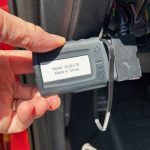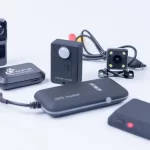
GPS trackers are usually hidden in locations that offer quick physical access, a constant power source, or strong magnetic attachment points without completely blocking the device’s satellite signals. That single rule explains almost every hiding spot on a vehicle. If a spot is hard to reach, has no power, or blocks the sky completely, a tracker rarely ends up there.
We wrote this guide to show you exactly where these devices hide and why. If you think someone is tracking your car near you, you deserve a clear map of where to look first. Below, we break the vehicle into three zones: internal wired spots, exterior magnetic spots, and interior cabin hideaways. We also share the same field tips our technicians use during a professional sweep, so you can check your own car safely before you call us.
Why GPS Tracker Placement Follows a Pattern
Trackers do not hide randomly. Whoever places one wants three things at once: a strong satellite signal, a steady or long-lasting power source, and a spot that stays out of sight. Those three need to narrow the options down to a short list of common locations.
Here is what shapes nearly every hiding spot:
- Signal access: The device needs a clear enough path to the sky, so it avoids deep metal enclosures.
- Power source: Wired units chase constant vehicle power, while battery units trade power for easier placement.
- Concealment: The spot must hide the device from a casual glance but stay reachable for the person who placed it.
Once you understand those three rules, the hiding spots stop feeling like a mystery. They start to look predictable, which is exactly how we approach every vehicle we inspect.
Worried your car is being tracked right now? Contact Chicago Bug Sweepers for a confidential vehicle sweep with a licensed technician near you.
1. Internal and Wired Tracker Locations
Wired trackers draw constant power from your vehicle, so they hide where the wiring is easy to tap. These units can run forever because they never need a battery change. That makes them a favorite for long-term tracking.
The OBD-II Port
The OBD-II port is the single most common hiding spot we find. It sits right under the steering wheel, within easy reach of the driver’s footwell. Trackers built for this port simply plug in like a dongle and pull constant power.
Check these points first:
- Reach under the dashboard near the steering column and feel for any plugged-in device.
- Look for a small box or dongle where your mechanic normally connects diagnostic tools.
- Note anything plugged in that you did not install yourself.
Deep Under the Dashboard
Wired units are often spliced directly into the car’s electrical wiring harness. This hides the device better than a plug-in dongle because nothing sticks out. We find these behind several common panels.
- Behind the glovebox, where wiring is easy to access
- Inside the center console near the existing harness
- Behind the main stereo unit, tucked against factory wiring
The Fuse Box
The fuse box gives a tracker clean, constant power that blends in with original wiring. Installers use an “add-a-fuse” line to tap power without cutting wires. This makes the connection look factory-installed.
- Check the interior fuse panel, usually near the driver’s footwell.
- Inspect the engine bay fuse box for any added wiring.
- Look for a thin wire running off a fuse tap that does not match the rest of the harness.
Wired trackers are the hardest for an untrained eye to spot. If your own search of these spots turns up nothing but your concern remains, that is exactly when a professional sweep earns its place.
Need a full electronic and physical inspection? Our GPS vehicle tracking bug sweeps cover every wired location in the Chicago area.
2. Exterior Magnetic Tracker Locations
Magnetic, battery-operated trackers attach to the outside of your vehicle in seconds. They need no wiring, which means someone can place one in a parking lot in under a minute. These units favor flat metal and plastic-covered cavities.
The Undercarriage Frame
The undercarriage is the classic magnetic hiding spot. Battery-powered units clamp onto the flat steel frame rails or crossmembers underneath the car. The metal holds the magnet firmly, and the open ground below keeps the signal strong.
- Use a flashlight and inspect the frame rails along both sides.
- Run your hand along the crossmembers, checking for any small weatherproof box.
- Look near the rear of the vehicle, where the ground view stays clear.
Behind the Plastic Bumpers
Front and rear bumper cavities offer large, empty voids that hide a device completely. Because the outer bumper cover is plastic or fiberglass, GPS signals pass right through it. That gives the tracker a clear signal while staying invisible.
- Reach up inside both the front and rear bumper cavities.
- Feel for any box held by tape, zip ties, or a magnet.
- Pay extra attention to the rear bumper, a frequent placement spot.
Inner Wheel Wells
Wheel wells hide trackers behind the rugged plastic liners that protect your tires. The metal framing behind the liner holds a magnetic unit securely. Road grime helps the device blend in over time.
- Check the metal framing behind each plastic wheel-well liner.
- Inspect all four wheel wells, not just the front two.
- Look for any object that does not match the factory parts around it.
Magnetic trackers are easier to find than wired ones, but they hide in dirty, awkward spots. We recommend gloves and a creeper or mat if you plan to inspect the undercarriage yourself.
Found a suspicious device during your own search? Call Chicago Bug Sweepers before you remove it so we can document it properly.
3. Interior Cabin and Storage Hideaways
Portable battery units and Bluetooth tags hide inside the cabin where no tools are needed. Someone with brief access to your interior can drop one in seconds. These spots favor small, easy-to-conceal devices.
Underneath or Inside Seats
Seats offer deep gaps and frames that swallow a small device. Battery-powered units and Bluetooth tags like Apple AirTags slip into these spaces easily. They stay hidden during normal driving.
- Slide each seat fully forward, then fully back, and inspect the floor and rails.
- Check the seat cushion gaps and the seams along the sides.
- Feel underneath the seat frames for anything taped in place.
- Look inside rear map pouches on the seat backs.
Deep Inside the Trunk
The trunk hides larger units in storage areas that drivers rarely check. The open space and fabric coverings make concealment simple. We inspect several common spots here.
- The spare tire well, beneath the cover
- Storage compartments along the trunk sidewalls
- Underneath the fabric floor matting
Bluetooth tags are small and silent, so a glance often misses them. A phone scan can sometimes flag a nearby tag, but it will not catch a passive GPS logger. That gap is one reason a professional sweep stays the most reliable option.
GPS Tracker Hiding Spots: Quick Reference Table
This table maps each zone to its common spots and how to check them. Use it as a checklist when you search for your own vehicle near you.
| Zone | Common Hiding Spots | Tracker Type | How to Check |
| Internal / Wired | OBD-II port, behind glovebox, fuse box, behind stereo | Hardwired, constant power | Feel for plug-ins and added wiring under the dash |
| Exterior / Magnetic | Undercarriage frame, bumper cavities, wheel wells | Battery, magnetic | Flashlight scan of frame, bumpers, and liners |
| Interior / Portable | Under and inside seats, map pouches, trunk, spare tire well | Battery, Bluetooth tags | Slide seats, check cushions, lift trunk matting |
Practical Field Tips for Searching Your Vehicle
A careful search follows a routine, not a guess. We use the same order every time so nothing gets skipped. You can follow the same steps in your own driveway.
- Park in good light and keep a strong flashlight within reach.
- Start inside at the OBD-II port, then work through the dashboard and seats.
- Move to the trunk and spare tire well next.
- Finish outside with the bumpers, wheel wells, and undercarriage.
- Note anything that looks added, taped, or out of place, and do not remove it yet.
Here is the limit of any self-search. A visual check clears the easy spots, but it cannot confirm a hardwired unit spliced into the harness or a passive logger that sends no signal. We close that gap with combined physical and electronic detection.
If your search leaves you uncertain, our GPS tracker detection in the Chicago area gives you a clear answer. Schedule a sweep with Chicago Bug Sweepers and know for certain whether your vehicle is clean.
When to Call a Professional Instead of Searching Alone
A self-search works well for low-level worries. A professional sweep fits situations where the stakes are higher or your suspicion will not fade. We help drivers across the Chicago area weigh this choice every week.
Choose a professional sweep when:
- You searched the common spots and still feel watched.
- The concern ties to a legal dispute, divorce, or safety issue.
- You need documented proof that holds up later.
- You suspect a hardwired unit you cannot safely access.
We do not rely on a single tool to clear your vehicle. We combine a hands-on physical search with an electronic scan for transmitting signals, GPS units, and hidden microphones. If your concern reaches beyond your car, our hidden camera detection service checks for covert recording devices in the same visit.
Concerns at your business raise the stakes further. Our corporate bug sweeps and business bug sweep services protect offices and fleets, while our cyber TSCM team handles network and device-based threats.
Frequently Asked Questions
Where are GPS trackers usually hidden on a car?
They hide where there is power, signal, and concealment. Common spots include the OBD-II port, behind the dashboard, the fuse box, the undercarriage frame, bumper cavities, wheel wells, under the seats, and inside the trunk.
What is the most common place to hide a GPS tracker?
The OBD-II port under the steering wheel is the most common spot. Trackers plug in like a dongle and draw constant power, so they can run indefinitely without a battery.
How do I find a hidden GPS tracker on my car?
Search in a routine. Start at the OBD-II port and dashboard, check the seats and trunk, then inspect the bumpers, wheel wells, and undercarriage with a flashlight. Note anything taped or added that you do not recognize.
Are GPS trackers placed inside or outside the vehicle?
Both. Wired units hide inside near power sources, magnetic battery units attach outside to the frame or bumpers, and portable tags hide in the cabin. A full search covers all three zones.
Can a GPS tracker be hidden in the bumper?
Yes. Front and rear bumper cavities are large and empty, and the plastic cover lets GPS signals pass through. The rear bumper is an especially common placement spot.
Will a phone app detect a hidden GPS tracker?
An app may flag a nearby Bluetooth tag like an AirTag, but it cannot catch a passive GPS logger that sends no live signal. For a reliable answer, a professional electronic sweep is the better option.
How long can a hidden GPS tracker last?
Wired units last as long as they have vehicle power, which can be indefinite. Battery-powered magnetic units last days to weeks, depending on the model and how often the vehicle moves.
Can someone track my car without touching the inside?
Yes. A magnetic battery tracker attaches to the undercarriage, frame, or bumper in under a minute. The person never needs to enter the cabin to place it.
How do I find GPS tracker detection near me in the Chicago area?
Look for a licensed TSCM or private investigation firm that offers both physical and electronic vehicle sweeps. Chicago Bug Sweepers provides combined detection for drivers across the Chicago area.
What should I do if I find a tracker on my vehicle?
Do not remove it right away. Contact a professional so the device can be documented properly, especially if it connects to a legal or safety matter. Proper documentation protects you later.